

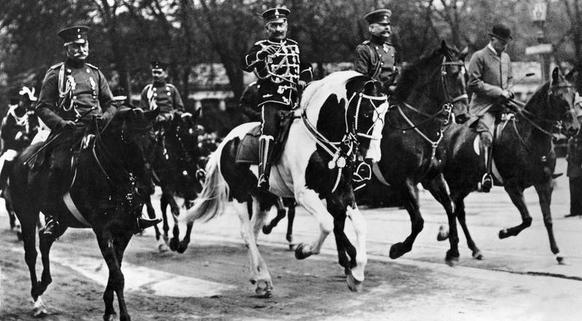
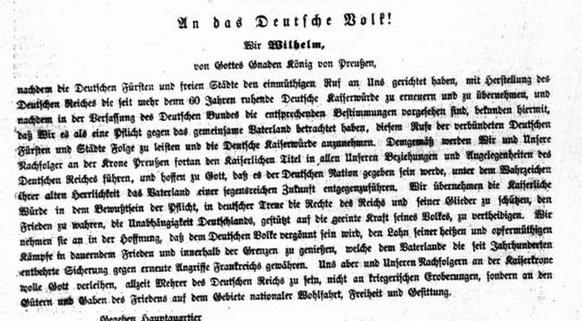
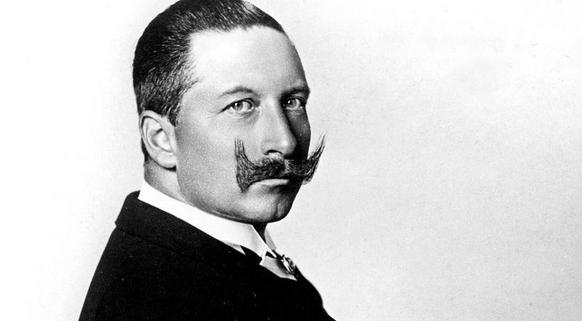
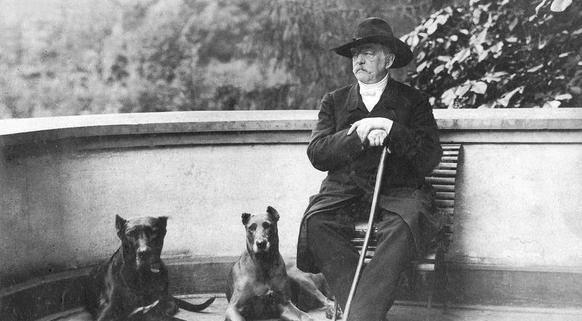
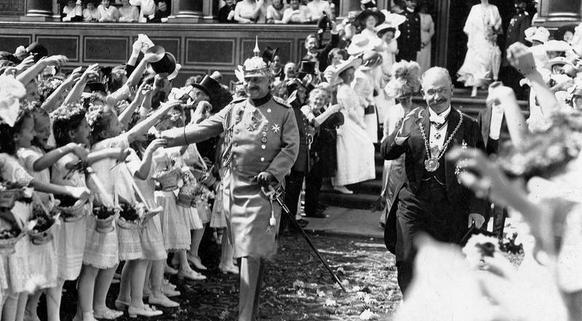
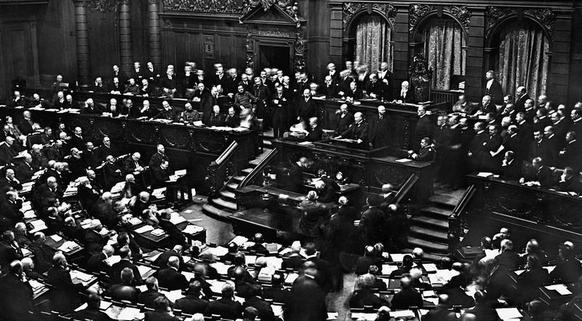
The German Empire emerged from the Franco-German War in 1871. To demonstrate the defeated the claim to power of the new empire, Emperor Wilhelm was crowned in the Hall of Mirrors of Versailles. This provocation strained relations with France until after the Second World War. However, the guidelines of domestic and foreign policy were determined less by the Emperor and more by the Chancellor of the Reich, Otto von Bismarck. Under him the Kulturkampf took place and it was he who introduced the social laws. At the end of the year of the Three Emperors, Wilhelm II sat on the throne and dismissed Bismarck. However, Wilhelm II wanted to lead the world not only economically, but also in terms of power politics. However, this brought the Rech increasingly into conflict with other major European powers, putting it in a dangerous position in terms of foreign policy. This escalated in 1914 and led to the First World War. The defeat of Germany in 1918 also meant the end of the German Empire.
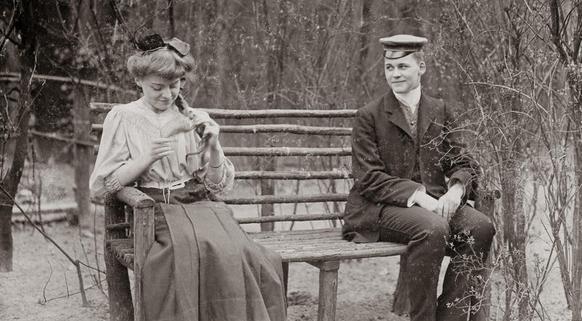
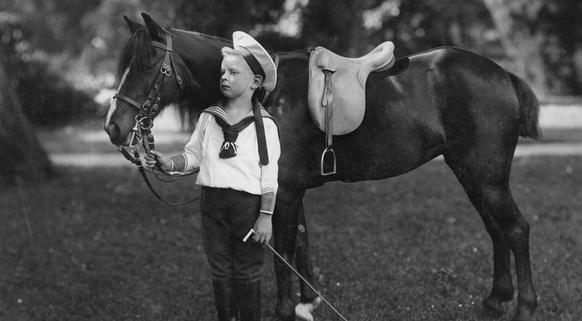
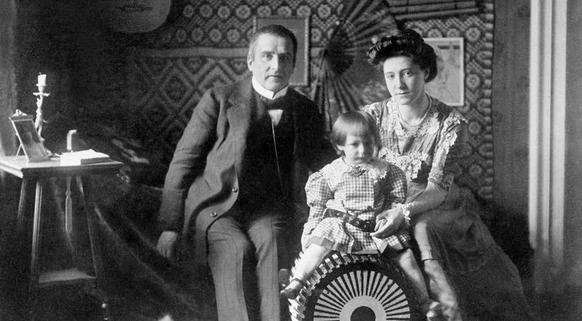
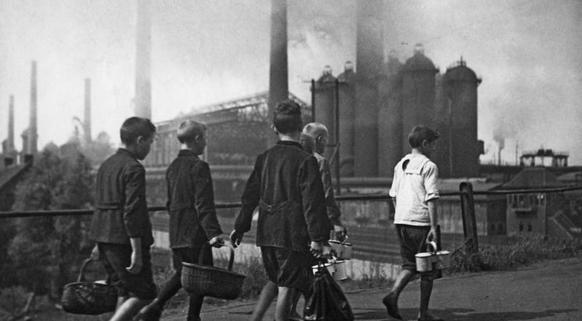
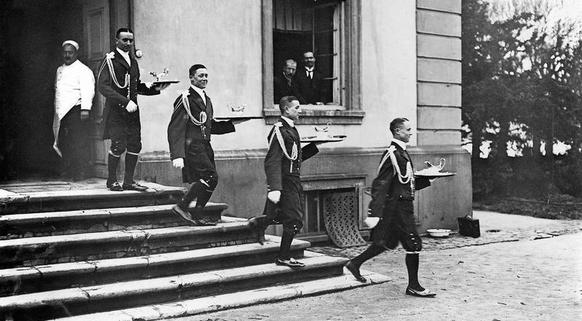
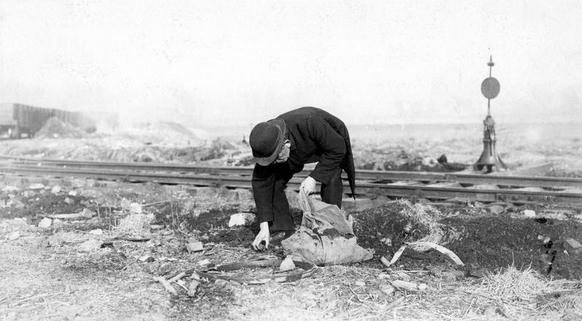
In our Special on the German Empire, you will find the picture dossiers again with short information texts and divided into the areas of politics, everyday life and society, economy and military.
History
Shaped by the Concert of Europe in the Age of Imperialism and the resulting "Great War", shattered by the Second World War as a result of the dark chapter of National Socialism, characterized by the Cold War and the division of Germany – historical world constellations as well as people's living conditions have often and seriously changed in the turbulent 20th century.
Here you will find photo dossiers on the various historical phases and events of the past century in Germany and around the world. In addition to major politics, the focus is on changes in the "zeitgeist": people's everyday experiences in the individual decades, changes in culture and fashion, and progress in technology and science.