

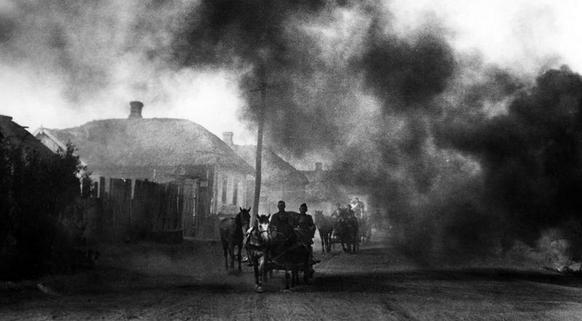
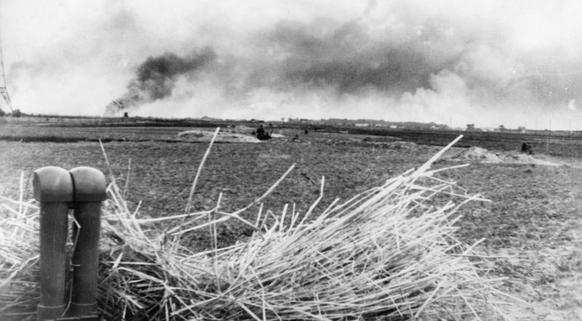
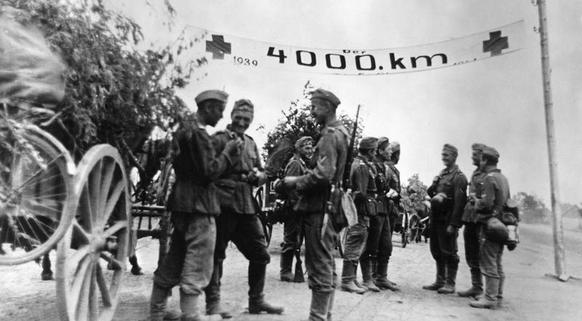
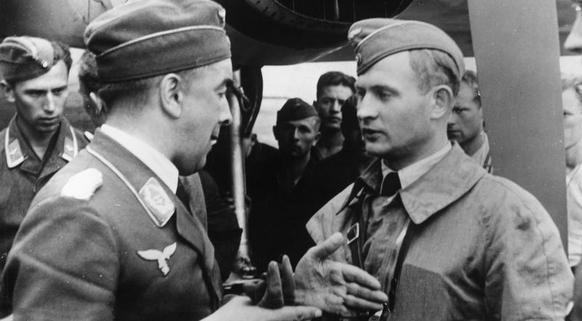
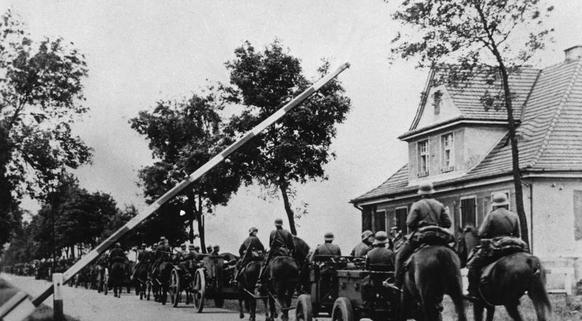
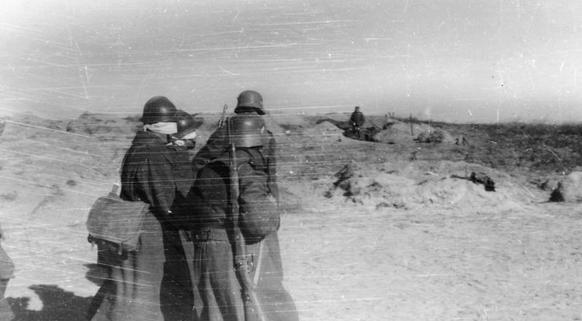
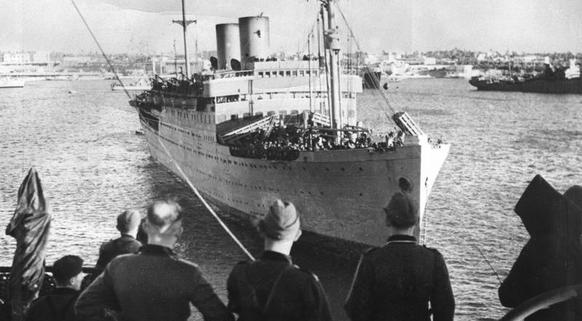
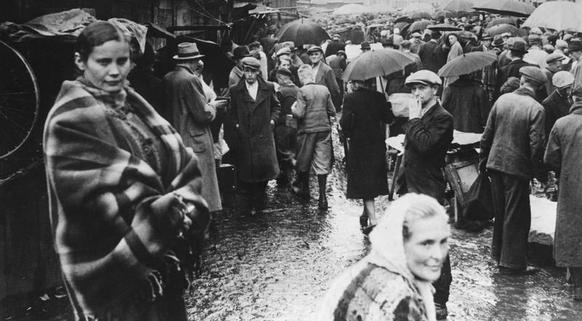
The German invasion of Poland on the 1st of September 1939 plunged the world into the second great war of the 20th century.
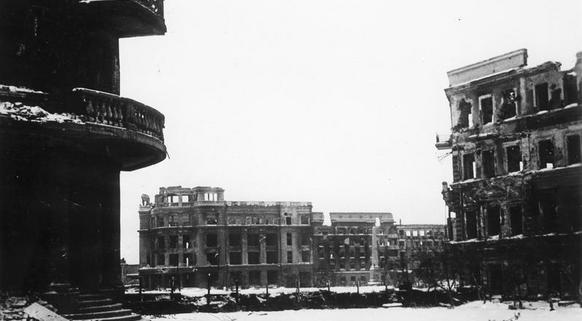
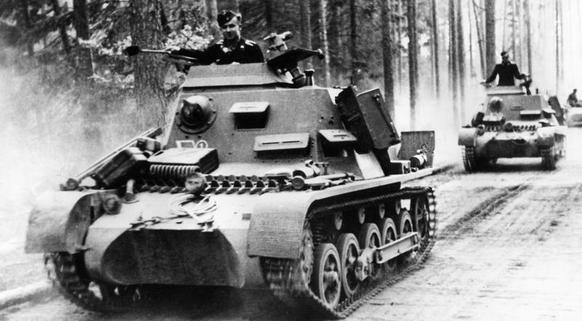
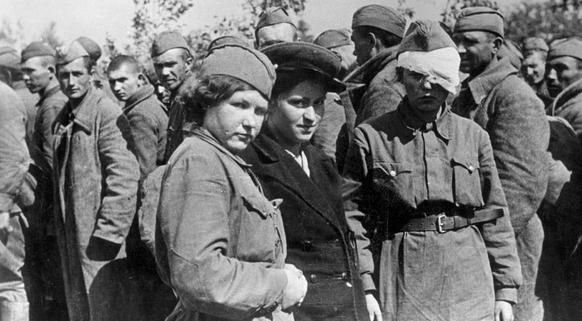
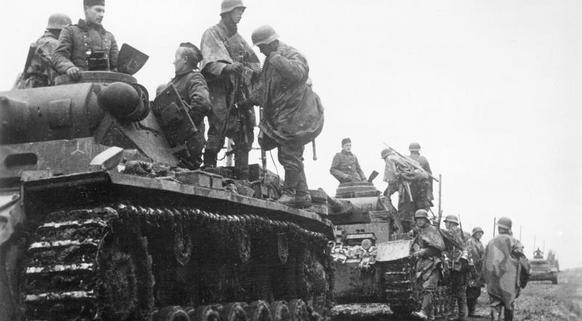
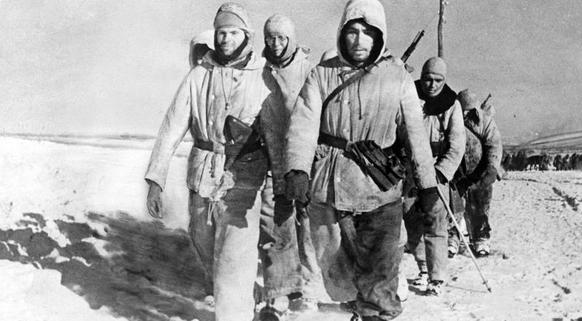
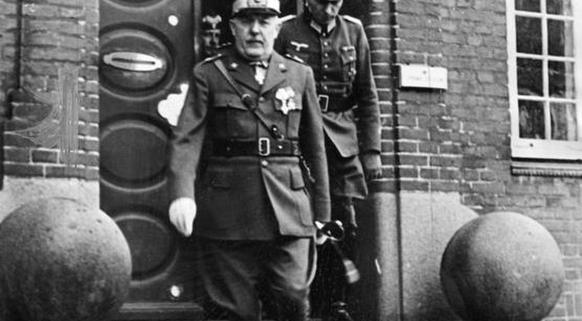
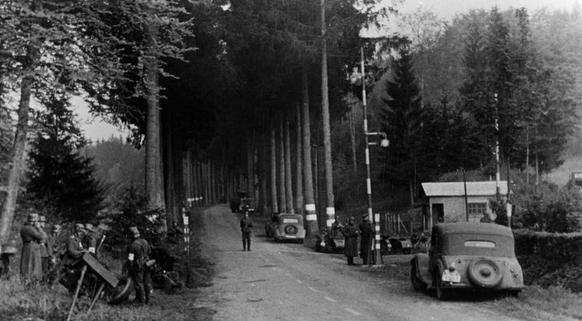
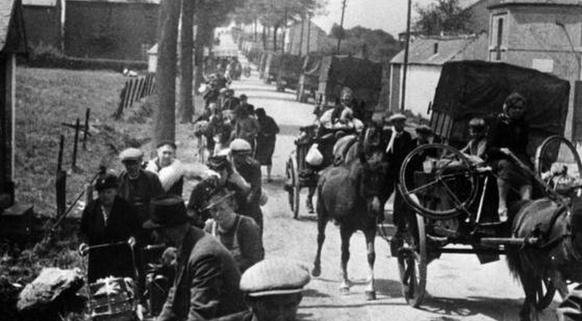
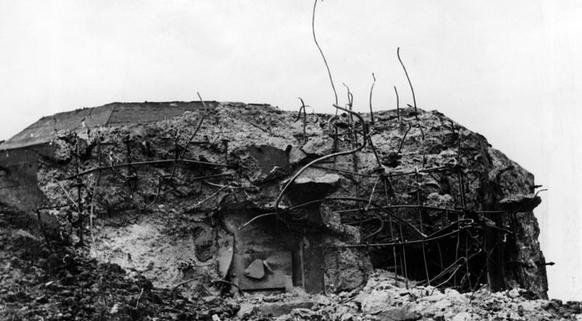
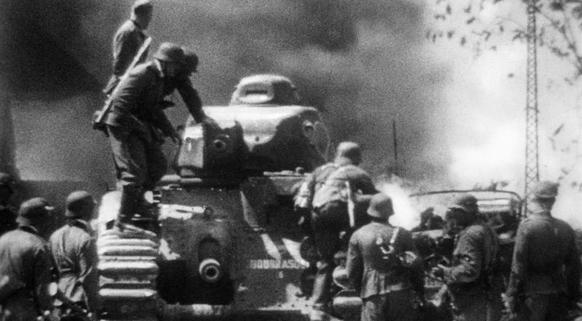
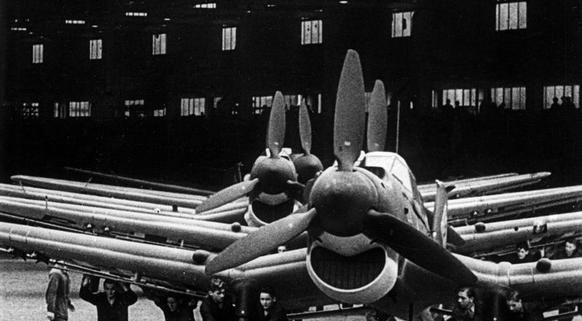
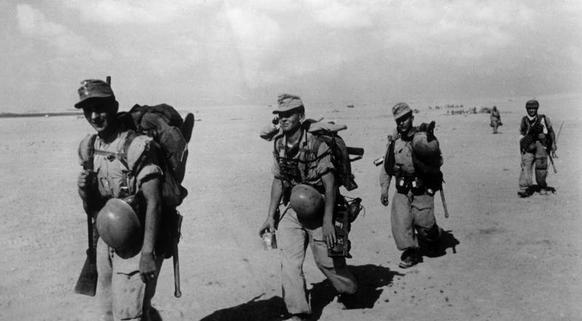
After quick and successful "Blitzkrieg" campaigns of conquest in Poland, Denmark, Belgium and France, the German air force suffered a defeat in the Battle for Britain. In the racial-ideological war of extermination against the Soviet Union and for the desired "living space" in the east, the German advance finally came to a halt and the Battle of Stalingrad in the winter of 1942/43 marked a turning point at the eastern front and in the course of the Second World War in Europe.
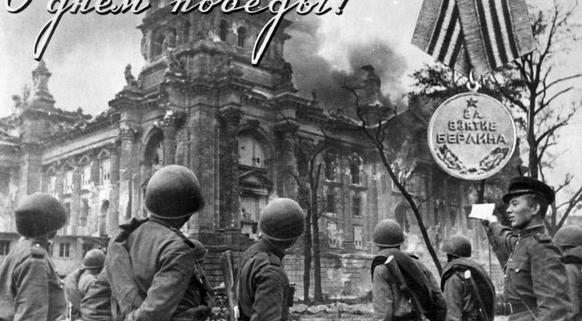
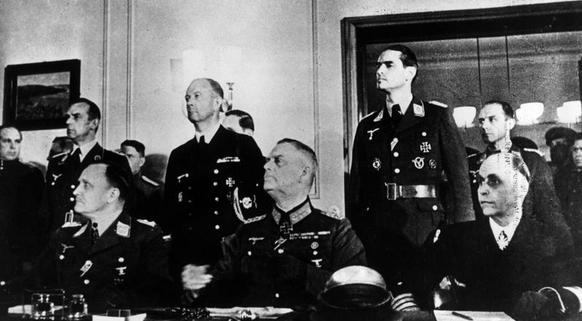
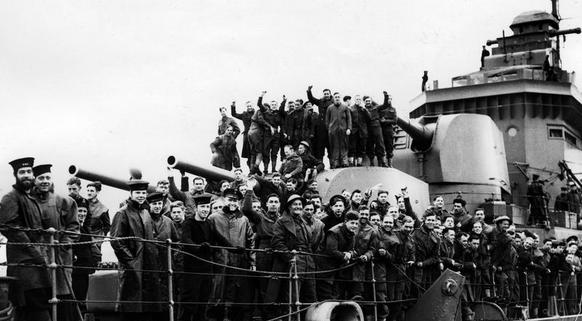
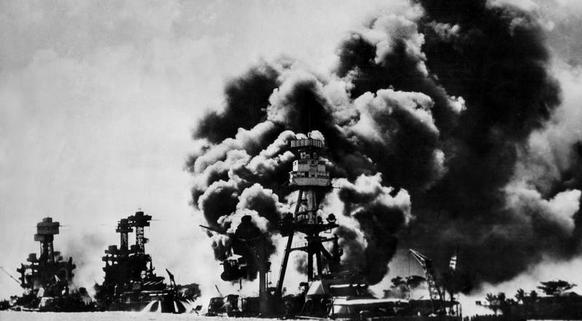
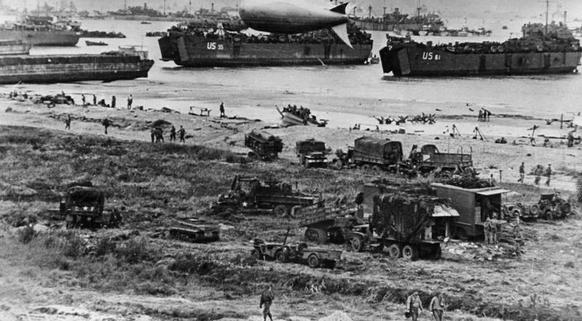
After Japan's attack on the U.S. Pacific Fleet in Pearl Harbor in December 1941, the United States entered the war. Meanwhile, the Allies began to bomb German cities with air raids. After the landing of U.S. troops in the Normandy on June 6, 1944, France and Belgium were freed from Hitler's Germany and in the spring of 1945 the Allies crossed the Rhine. In the east, the Red Army pushed back the Wehrmacht further and further, arriving at Berlin in April 1945. Germany and the Axis powers had lost the war and the unconditional surrender of the Wehrmacht followed on May 8, 1945.



History
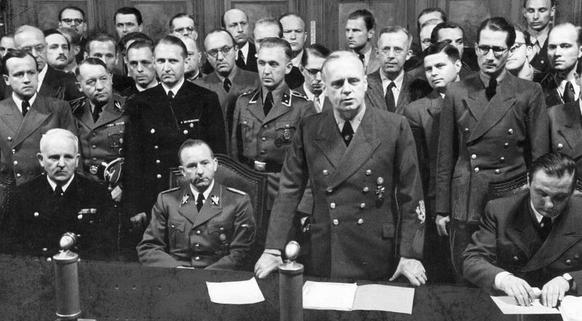
Shaped by the Concert of Europe in the Age of Imperialism and the resulting "Great War", shattered by the Second World War as a result of the dark chapter of National Socialism, characterized by the Cold War and the division of Germany – historical world constellations as well as people's living conditions have often and seriously changed in the turbulent 20th century.
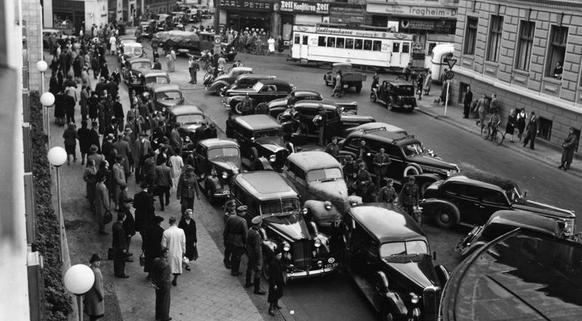
Here you will find photo dossiers on the various historical phases and events of the past century in Germany and around the world. In addition to major politics, the focus is on changes in the "zeitgeist": people's everyday experiences in the individual decades, changes in culture and fashion, and progress in technology and science.