

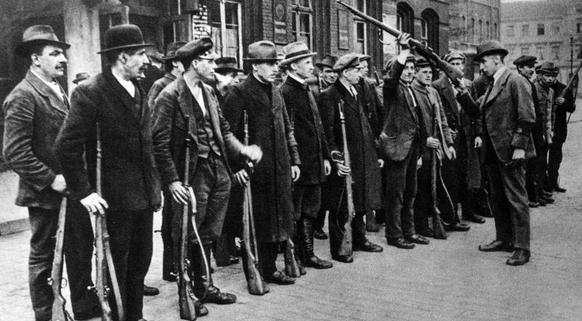


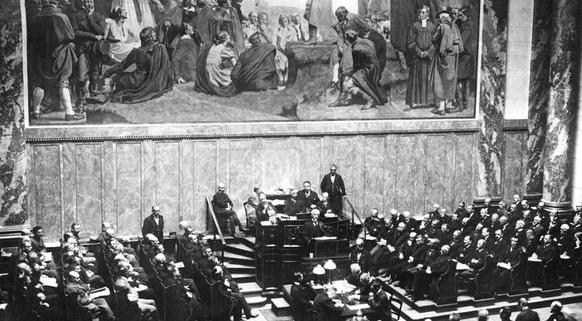
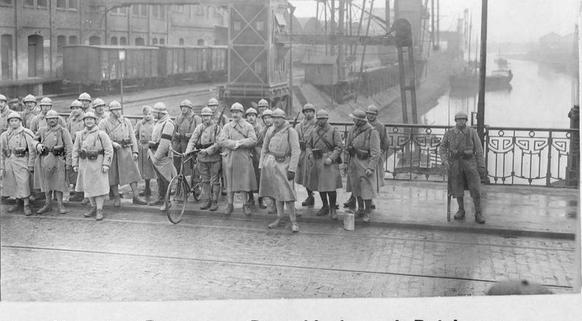
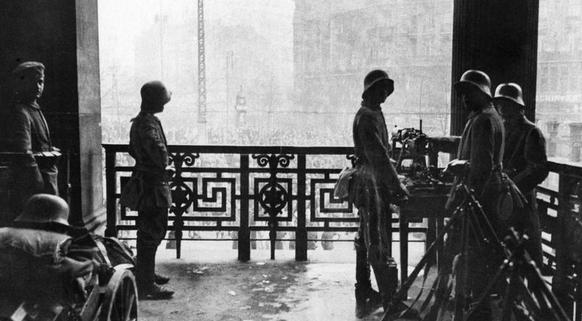
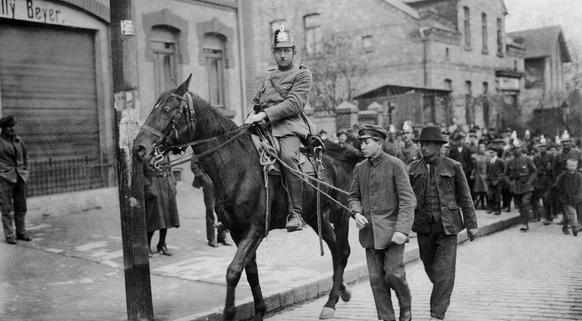
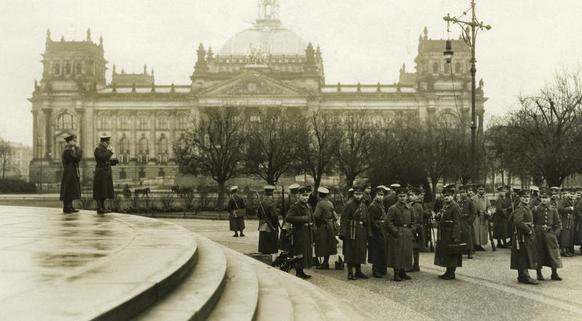
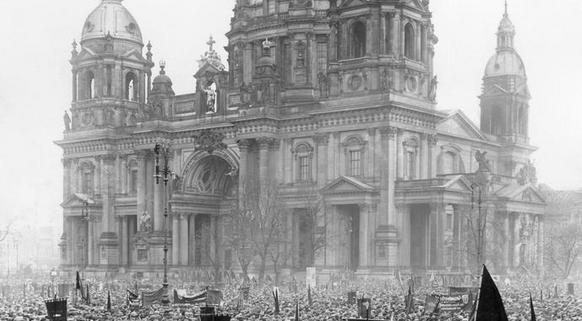
The Weimar Republic emerged from the November Revolution initiated by sailors, workers and soldiers and the subsequent abdication of Kaiser Wilhelm II in 1918. For the first time in its history, a parliamentary democracy was established in Germany.
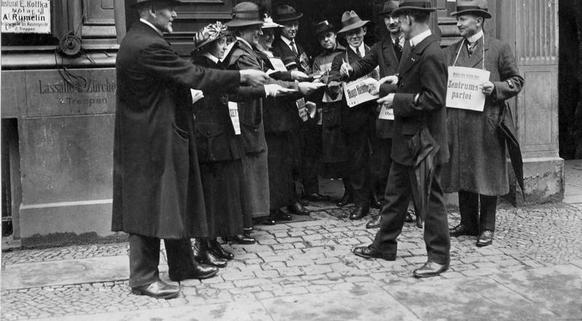
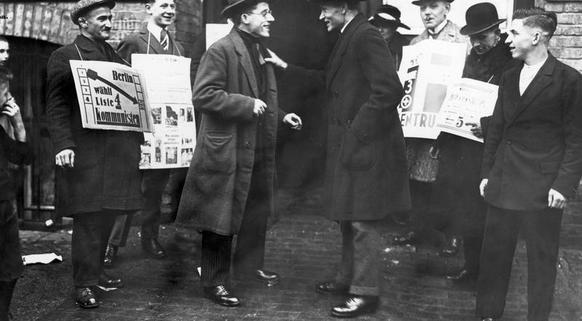
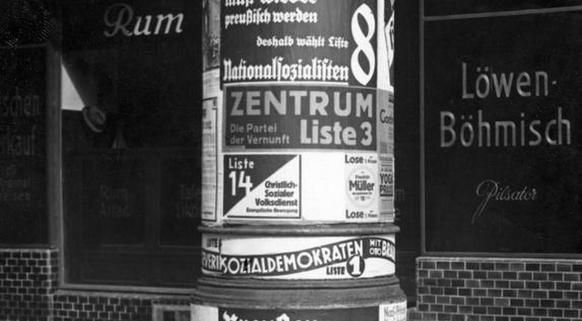
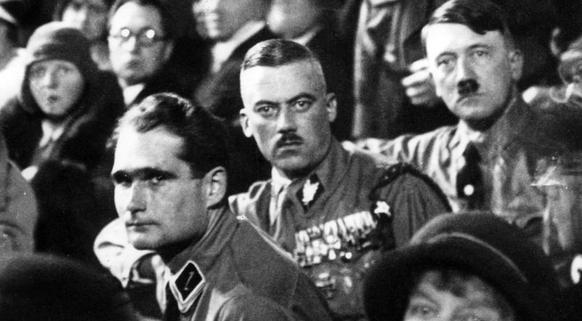
The absence of a restrictive clause allowed an extraordinary party fragmentation in parliament and more and more radical groups, that had formed at the right and left of the political spectrum, were able to participate; constructive cooperation was almost impossible. The terms of the Versailles Treaty led to a momentous agitation of political conservatives and right-wing nationalists against the social democratic "Erfüllungspolitiker" and "backstabbers".
Meanwhile, Stresemann's policy of rapprochement slowly maneuvered Germany out of international isolation; in 1926, Germany was accepted into the League of Nations as an equal partner. American loans also enabled a relatively stable state of the economy of the Republic.
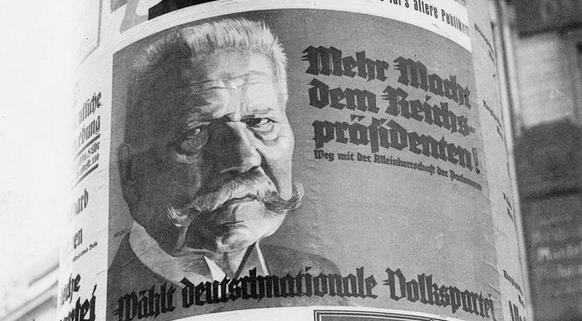
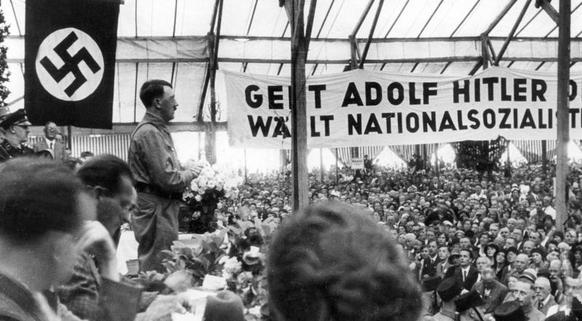
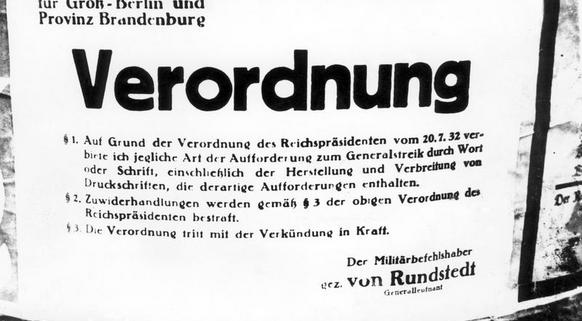
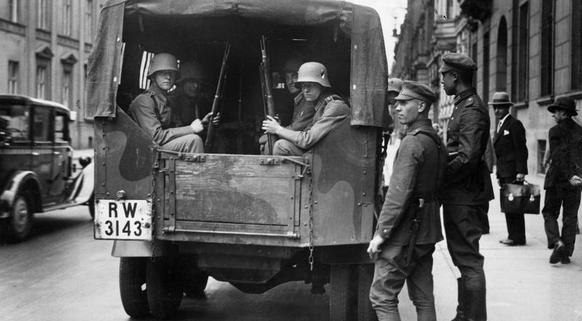
The fragility of the "Golden Twenties" and the political constitution of the young republic, however, became evident in the Great Depression of 1929.
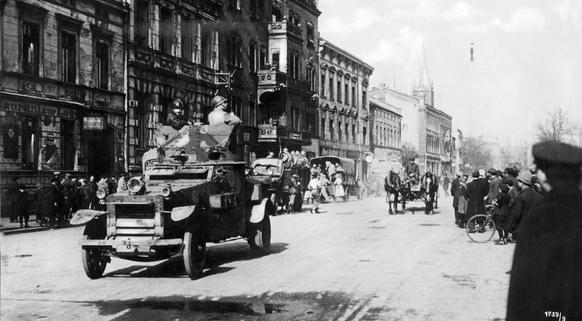




History
Shaped by the Concert of Europe in the Age of Imperialism and the resulting "Great War", shattered by the Second World War as a result of the dark chapter of National Socialism, characterized by the Cold War and the division of Germany – historical world constellations as well as people's living conditions have often and seriously changed in the turbulent 20th century.
Here you will find photo dossiers on the various historical phases and events of the past century in Germany and around the world. In addition to major politics, the focus is on changes in the "zeitgeist": people's everyday experiences in the individual decades, changes in culture and fashion, and progress in technology and science.