

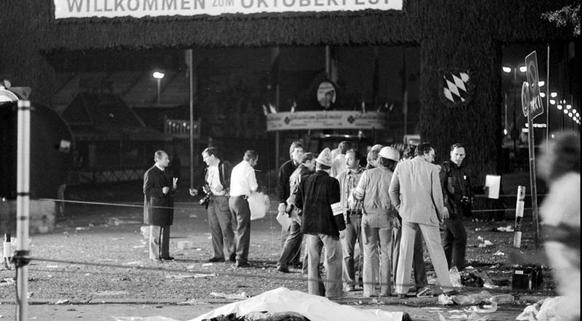
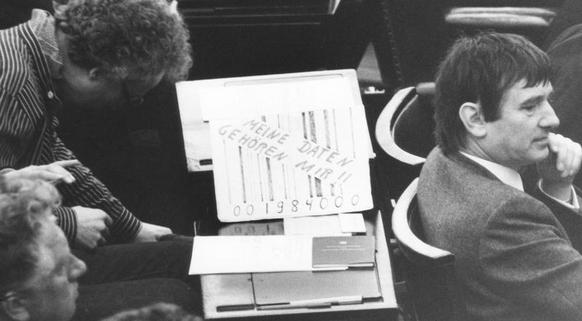
At the beginning of the 1980s, a mysterious deadly virus spread fear, uncertainty and prejudices in society. The immune deficiency disease AIDS remains incurable until today, despite all the medical advances.
Technological progress changed the everyday lives of people in the 80s considerably. Walkman, CD and especially the computer opened the way into the digital age.
The fashion trends of this decade constituted a rather mixed blessing: sweatshirts, leggings and shoulder pads, blow dry and mullet were the latest craze in Germany.
The successes of Boris Becker and Steffi Graf set off the nation's tennis hype. "Lindenstraße", "Wetten, dass...?" and Hauptkommissar Schimanski became classics of German television, which saw a radical change with the start of commercial television. In music, the "Neue Deutsche Welle" swept over the country.
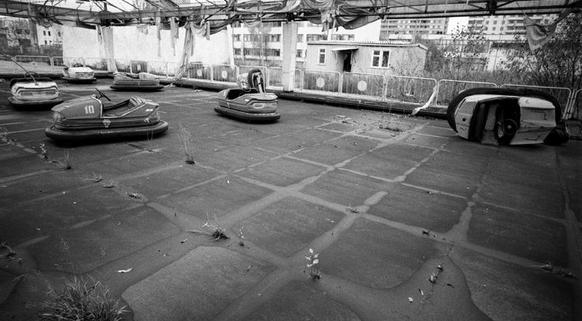
In 1986, the Chernobyl nuclear disaster drastically lifted the lid on the risks of nuclear energy.
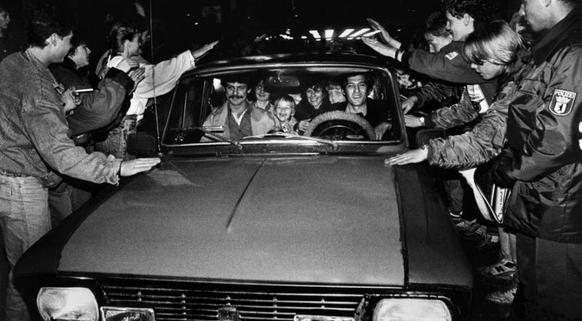
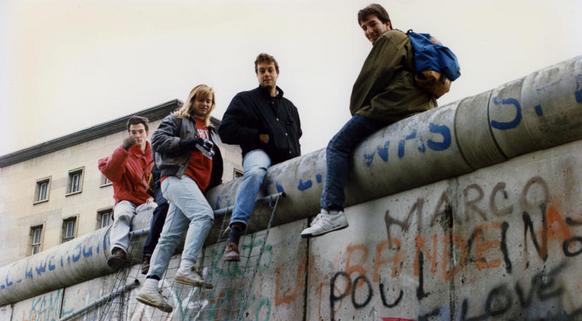
The decade was almost over, when the Berlin Wall fell on November 9, 1989 and thousands of families and friends were reunited after 40 years of separation.
History
Shaped by the Concert of Europe in the Age of Imperialism and the resulting "Great War", shattered by the Second World War as a result of the dark chapter of National Socialism, characterized by the Cold War and the division of Germany – historical world constellations as well as people's living conditions have often and seriously changed in the turbulent 20th century.
Here you will find photo dossiers on the various historical phases and events of the past century in Germany and around the world. In addition to major politics, the focus is on changes in the "zeitgeist": people's everyday experiences in the individual decades, changes in culture and fashion, and progress in technology and science.