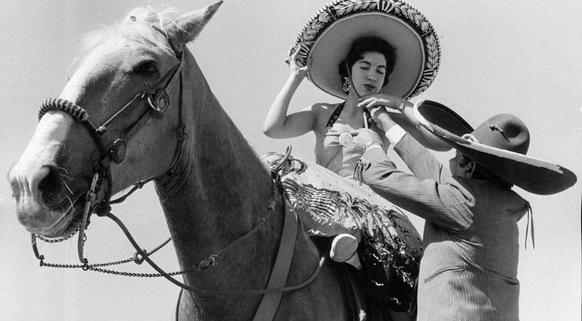
The 1950s
History
The 1950s

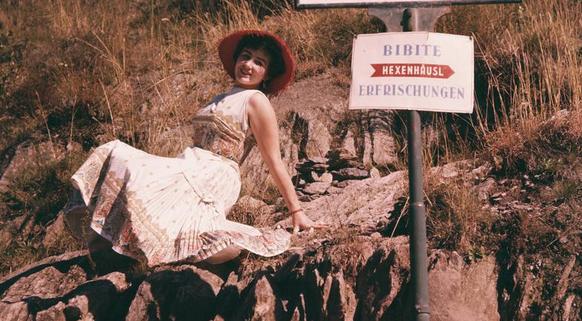
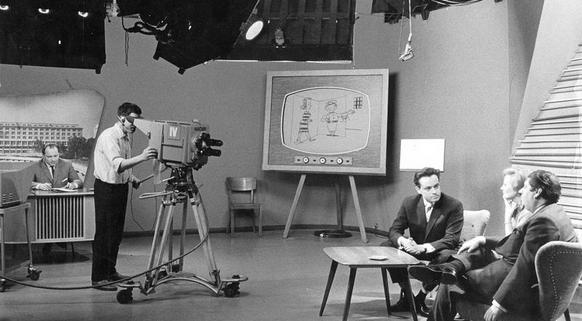
The wounds of the Second World War were still deep, the Cold War was smoldering and a "balance of terror" split Germany and the world. In the young Federal Republic a broad mass of citizens was able to regain prosperity, self-confidence and, thus, normality in their everyday lives because of the so-called "economic miracle". The symbol of the economic recovery was the VW Beetle, dominating the streets of Germany in the 1950s. In the living rooms, TV sets became a new standard. The age of mass media and consumer culture had begun. After decades of wars and crises, a new kind of family idyll was propagated: the ideal world of the nuclear family in their own home and environment. Conformity was the order of the day.

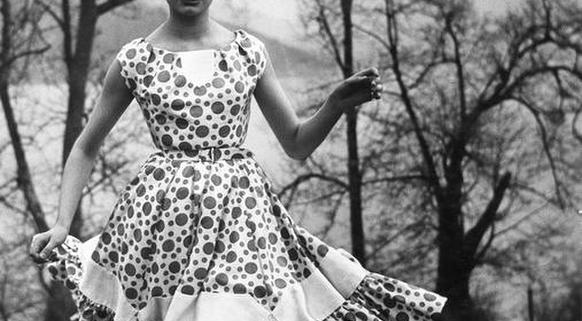
However, the youth had other things in mind. The 1950s were also the decade, when Rock'n'Roll set off to conquer Europe via the United States. Instead of following their parents' orders, the youngsters danced to the rhythms of Bill Haley or Peter Kraus and, above all, to the sound of the King of Rock'n'Roll, Elvis Presley. Petticoat and jeans were the uniform of this new rebellious attitude to life. James Dean became the idol of a whole generation of "Halbstarke" and beatniks, the Vespa a symbol of their freedom and independence.
Dossier
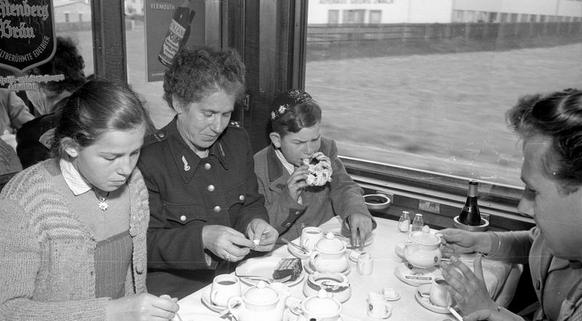
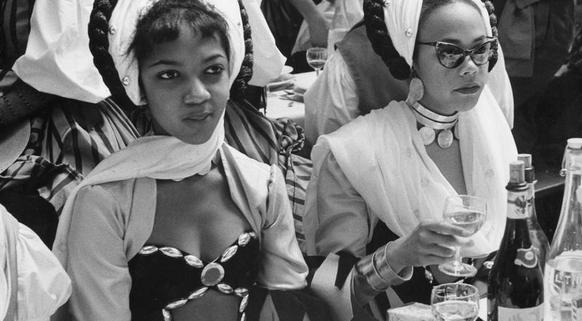
Aufnahmen aus dem Interzonenzug auf der Strecke Leipzig-Gutenfürst-Hof-München, Besonderheit dises Zuges war der "gesamtdeutsche" Speisewagen, der wegen des 1:1 Wechselkurses speziell bei ostdeutschen Reisenden beliebt war. Der Pressefotograf Alfred Strobel war im Juli 1954 an Bord dieses Zuges und fotografierte diese Serie für einen Artikel in der Münchner Illustrierten (Nr.31, 31.7.1954).
51 Bilder
Dossier
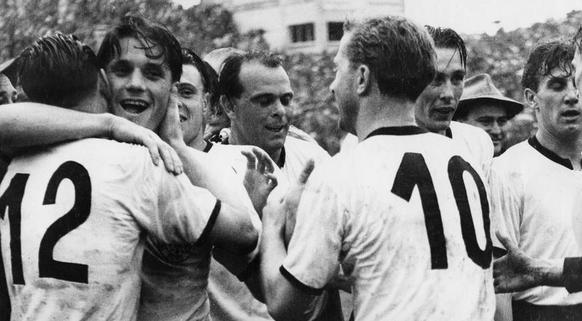
Die deutsche Fußball-Nationalmannschaft bei der Weltmeisterschaft 1954 in der Schweiz, auch bekannt als 'Das Wunder von Bern'.
74 Bilder
Dossier
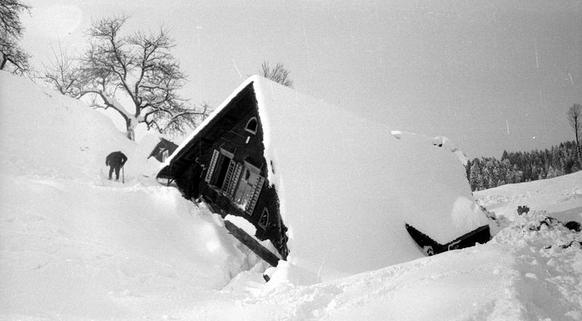
Zwischen dem 10. und 12. Januar 1954 ereigneten sich etliche Lawinenkatastrophen nach extremen Schneefällen im Großen Walsertal. Es setzte sofort ein Großeinsatz von Bereitschafts-Gendarmerie, Feuerwehren, Hilfsorganisationen und Freiwilligen ein. Für die Münchner Illustrierte war der Fotograf Alfred Strobel vor Ort und fertigte für die Berichterstattung diese Bilder an. Sie wurden größtenteils in und um die Gemeinde Blons aufgenommen.
38 Bilder
Dossier
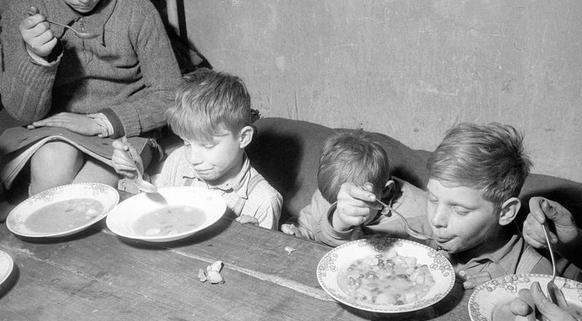
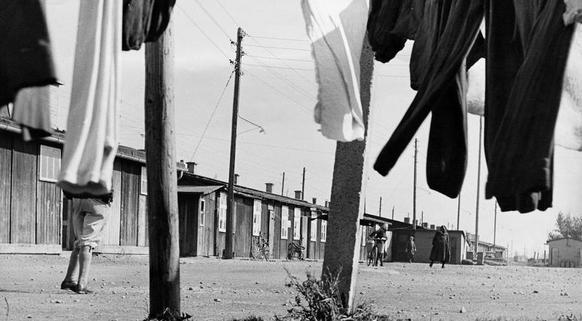
Aufnahmen von der Flüchtlingsfamilie Barmiske in ihrer vermutlich selbstgebauten Siedlungsbarracke in der Nähe von Münster. Wahrscheinlich wurden sie nach dem Ende des Zweiten Weltkrieges aus Schlesien vertrieben und bauten sich hier ihre neue Existenz auf. Die Familie lebte wohl bereits seit einigen Jahren in dieser Siedlungsbarracke. Diese Aufnahmen wurden wahrscheinlich anlässlich des Inkrafttretens der Genfer Flüchtlingskonvention im April 1954 vom Fotografen Alfred Strobel gemacht.
25 Bilder
Dossier
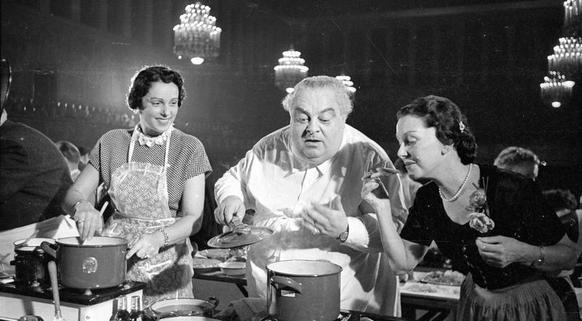
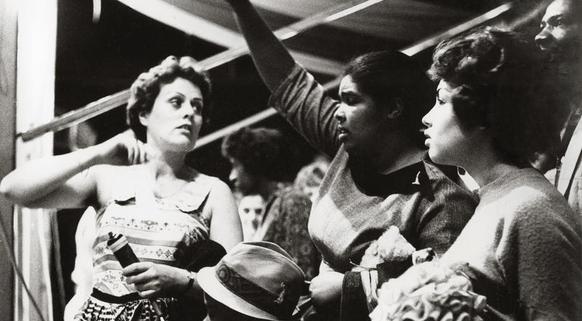
Am 14.05.1952 fand im Kongresssaal des Deutschen Museums in München eine Wohltätigkeitsveranstaltung von Hertie statt. Die Aufgabe für die teilnehmenden Prominenten war es, für 5 D-Mark ein Mittagessen für 4 Personen zu kochen. Auf der Bühne tummelten sich an den jeweiligen Arbeitsplätzen die Teilnehmer sowie zahlreiche Journalisten und Fotografen. Reportage von Alfred Strobel.
27 Bilder
Dossier
Aufnahmen vom Gauder Fest in Zell am Ziller aus dem Jahr 1952. Bei diesem Fest, welches auf die Tradition der alpenländischen Kirchtage zurückgeht, handelt es sich um eines der ältesten Volksfeste der Region. Am ersten Wochenende im Mai öffnete der Braumeister der Stadt die Stadel und Schupfen des Gauder-Anwesens für die Wettbewerbe und den Ausschank von Starkbier. Reportage von Alfred Strobel.
38 Bilder

History

Shaped by the Concert of Europe in the Age of Imperialism and the resulting "Great War", shattered by the Second World War as a result of the dark chapter of National Socialism, characterized by the Cold War and the division of Germany – historical world constellations as well as people's living conditions have often and seriously changed in the turbulent 20th century.

Here you will find photo dossiers on the various historical phases and events of the past century in Germany and around the world. In addition to major politics, the focus is on changes in the "zeitgeist": people's everyday experiences in the individual decades, changes in culture and fashion, and progress in technology and science.