

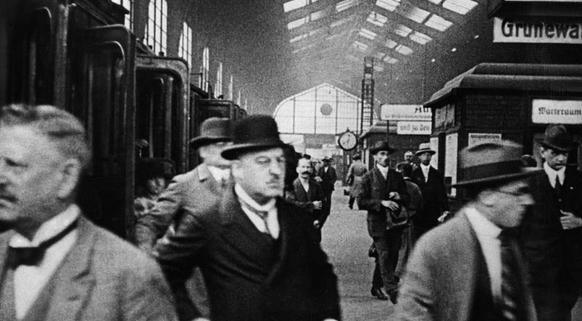
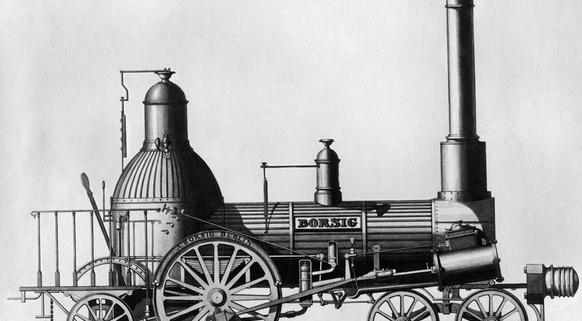
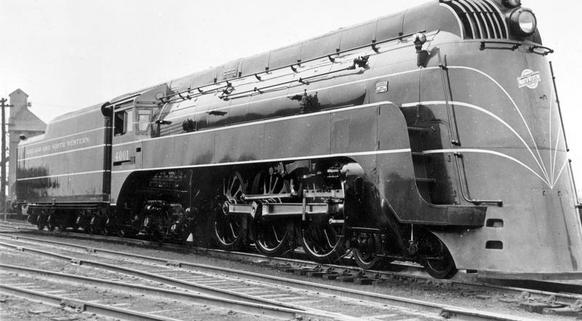


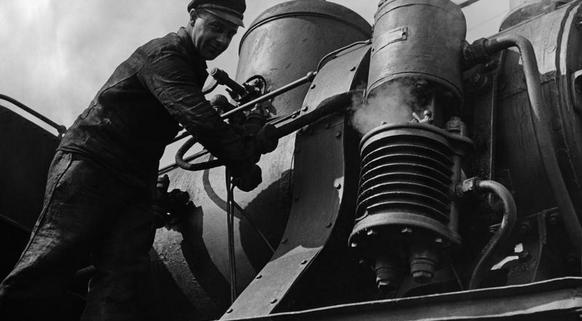
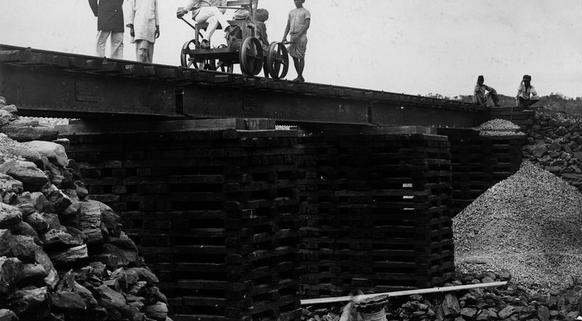
The success story of the railroad took off with at a speed of just 24 km/h in 1825. The English engineer Robert Stephenson successfully traveled the nine miles between Stockton and Darlington with passengers in a steam powered railway locomotive. The era of modern mass transport for people and goods had begun.
During the 19th century, a dense and extensive rail network was built very quickly in the USA. In 1835, the "Adler" carried passengers from Nuremberg to Fürth - the first manned train ride on German soil. Only due to the expansion of the railway the industrial revolution in Germany was greatly accelerated.
Ever larger distances have been bridged by railways: In 1869, the first transcontinental line was completed in America. The construction of the Trans-Siberian Railway, the longest train connection in the world today, was completed in 1916.
The era of the impressive steam locomotives ended in the mid-20th century, more powerful diesel and electric locomotives enabled more effective rail transportation. High-speed trains such as ICE, TGV or Shinkansen today achieve top speeds of more than 300 km/h.
History
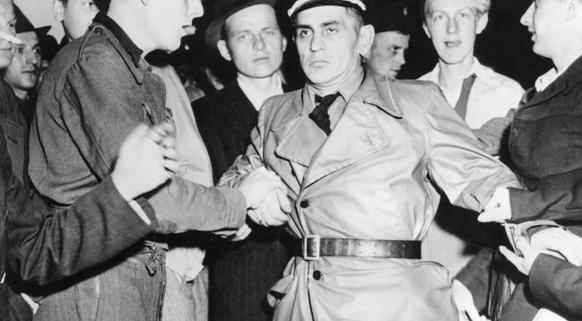
Shaped by the Concert of Europe in the Age of Imperialism and the resulting "Great War", shattered by the Second World War as a result of the dark chapter of National Socialism, characterized by the Cold War and the division of Germany – historical world constellations as well as people's living conditions have often and seriously changed in the turbulent 20th century.
Here you will find photo dossiers on the various historical phases and events of the past century in Germany and around the world. In addition to major politics, the focus is on changes in the "zeitgeist": people's everyday experiences in the individual decades, changes in culture and fashion, and progress in technology and science.