


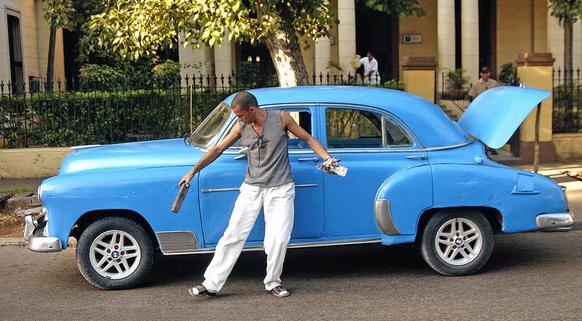

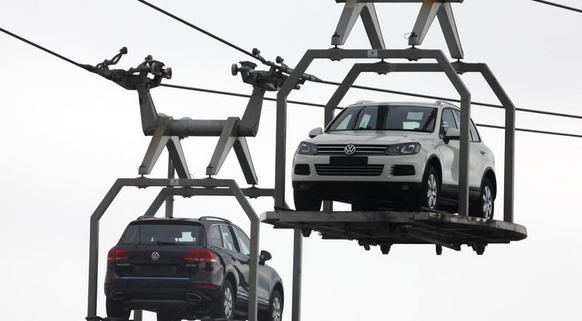

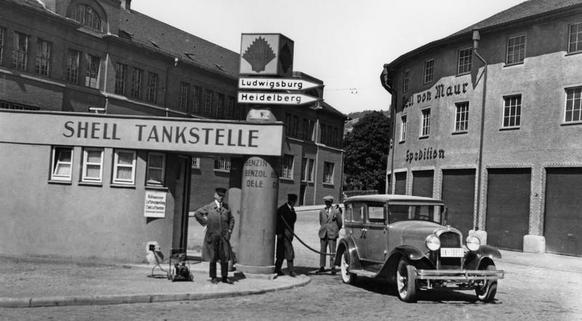
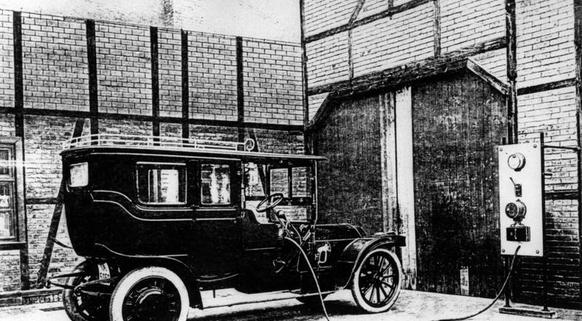
The triumph of the modern automobile to the main means of transportation in the world began in 1886 with the motor car by Carl Benz. Besides Benz, Gottlieb Daimler was one of the pioneers of the early automobile production. Rudolf Diesel's patented diesel engine opened up new possibilities for the development of efficient vehicles. The crucial step of the ascent of the automobile was made Henry Ford in 1913 in Detroit: His Model T was now in mass production and the application of the assembly line made it affordable for the general public. Henceforth, this new mobility and independence changed and simplified the daily life of mankind radically.
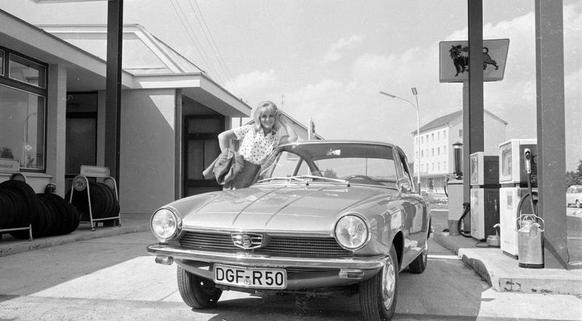
As part of the continuously growing demand, the automotive industry has become one of the most important industrial sectors of the industrialized world. Gradually, the car has transformed from a mere means of transportation into a status symbol. People long for high-class cars made by Mercedes, Audi or BMW; those who can afford it, favor luxury brands like Porsche or Ferrari, classic cars are collectibles. Cars have long become not only the Germans' favorite toy.

History
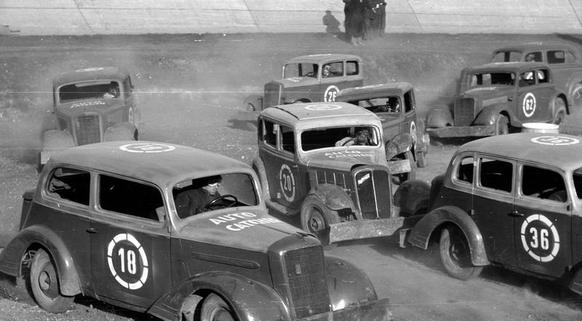
Shaped by the Concert of Europe in the Age of Imperialism and the resulting "Great War", shattered by the Second World War as a result of the dark chapter of National Socialism, characterized by the Cold War and the division of Germany – historical world constellations as well as people's living conditions have often and seriously changed in the turbulent 20th century.
Here you will find photo dossiers on the various historical phases and events of the past century in Germany and around the world. In addition to major politics, the focus is on changes in the "zeitgeist": people's everyday experiences in the individual decades, changes in culture and fashion, and progress in technology and science.