

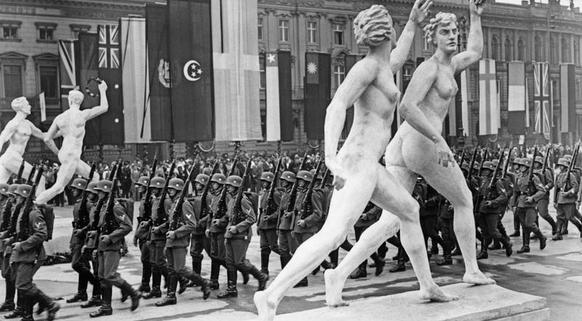
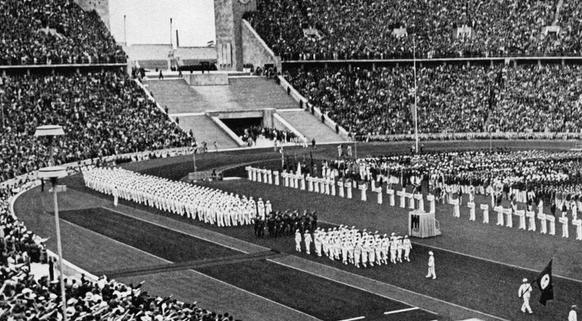
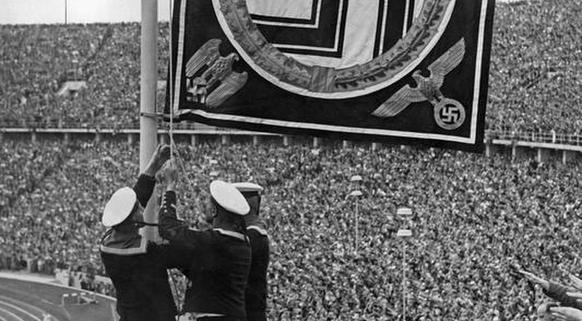
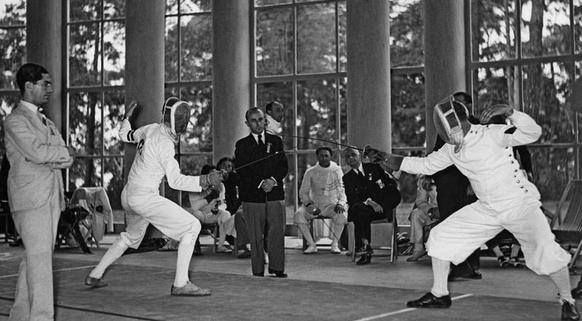
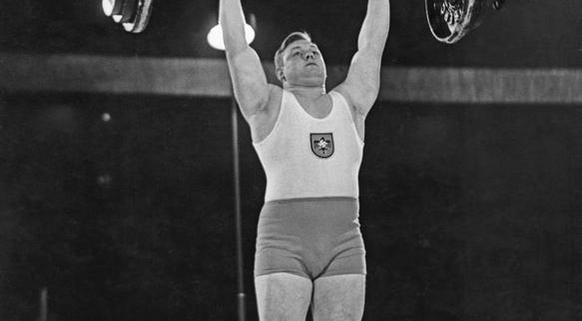
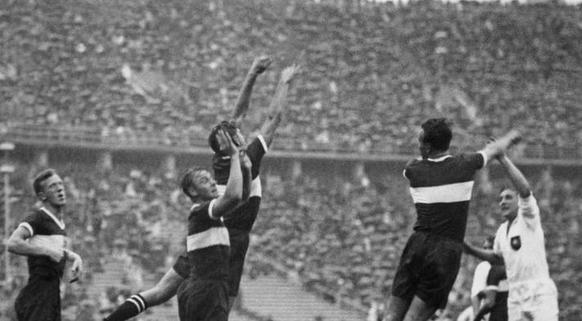
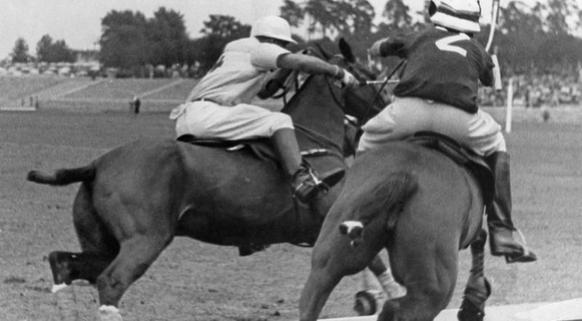
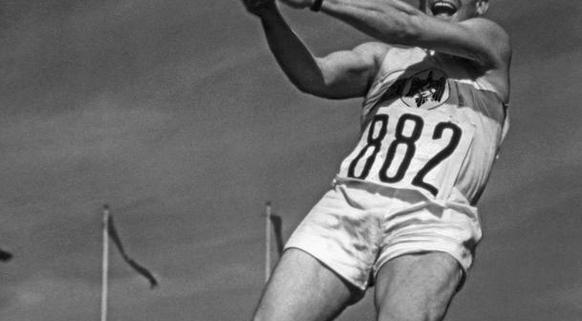
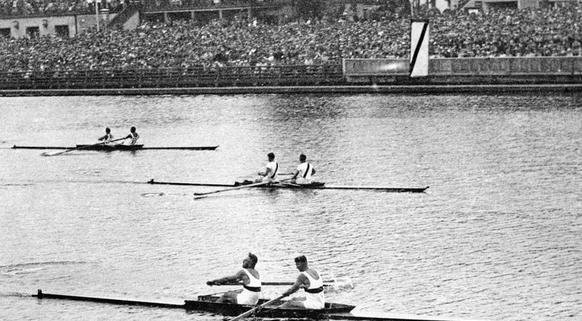
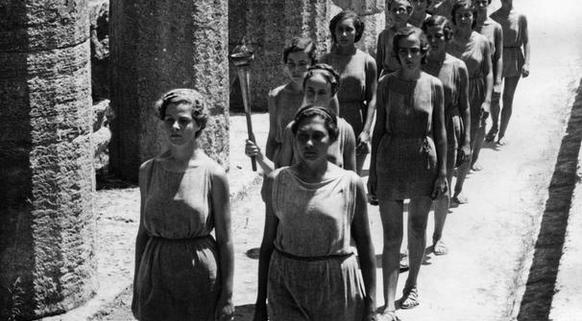
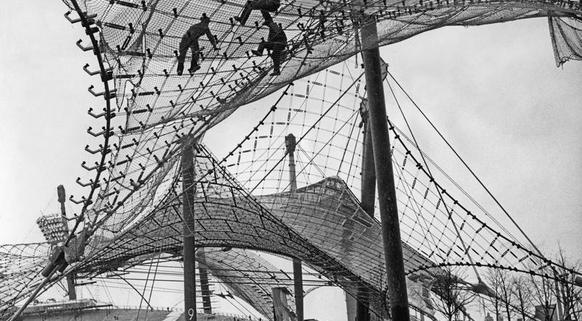
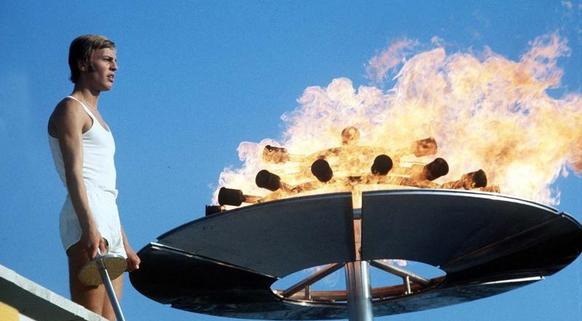
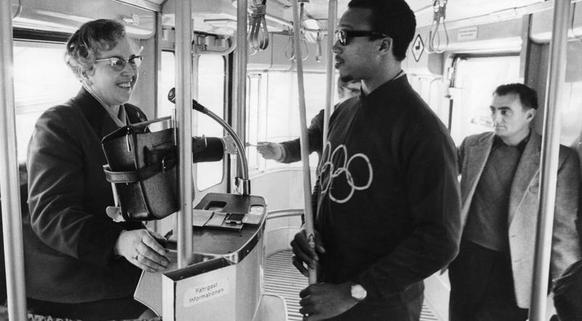
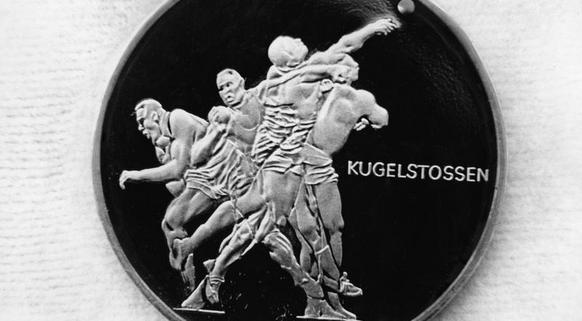
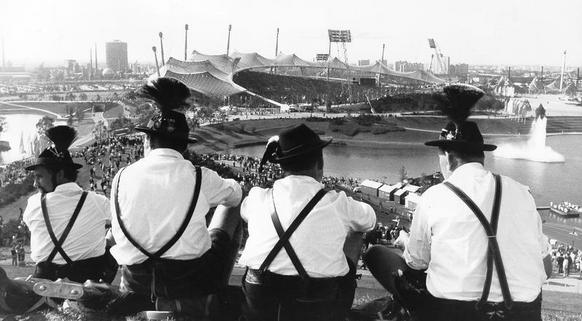
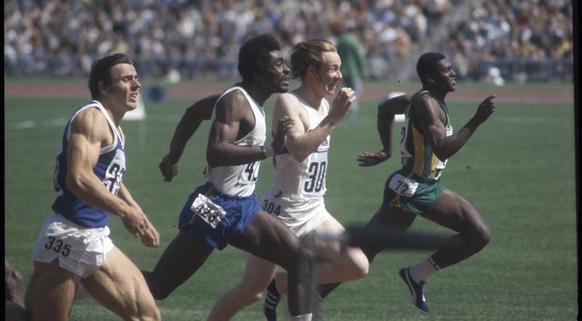
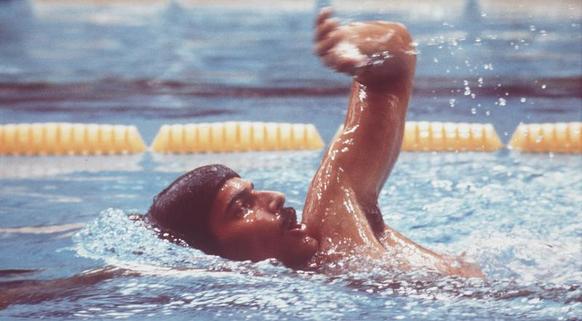
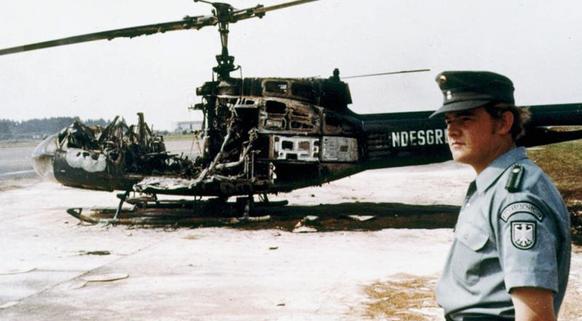
Hardly any area of life can enthuse crowds as much as sport and major sporting events. Even in ancient Greece, athletic competitions were enormously popular and the Olympic Games have their origin there. The modern Games were already held twice in Germany. After 1936 in Berlin, when the athletic brilliance of Jesse Owens was overshadowed by the propaganda machine of the Nazis, top-class sport should again be back in focus at the 1972 Olympics in Munich - but the terrorist attack (Munich massacre) destroyed the desire for "Cheerful Games". (You can also find our historical photos of the 1972 Olympics structured by topic and with texts in the SZ Photo Special The 1972 Olympic Games in Munich)
Auto racing was able to captivate millions of viewers and fans in the 20th century. The legendary automobile Grands Prix and the dazzling circus of the Formula 1 made the "fascination of speed" a whole new experience for the masses.
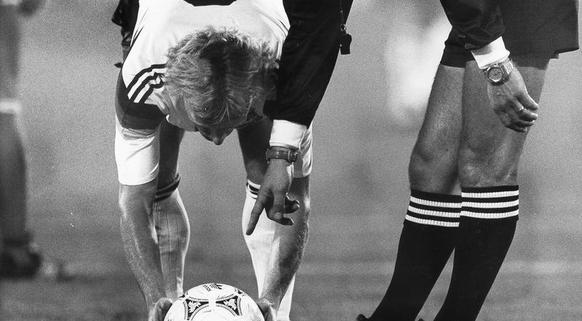
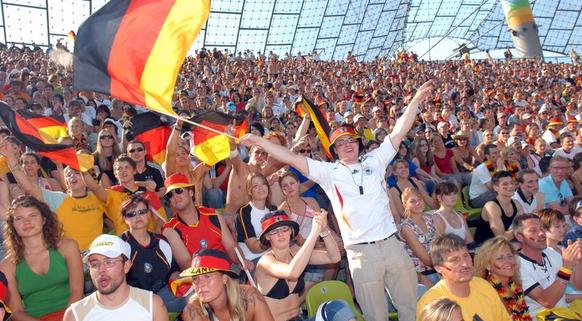
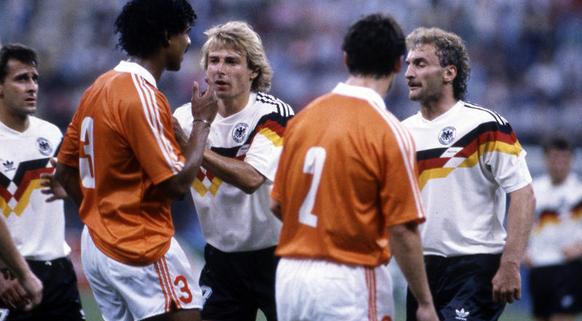
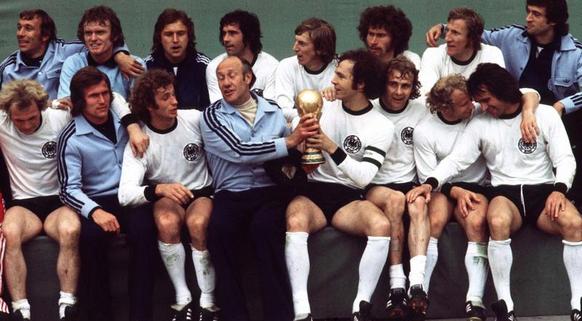
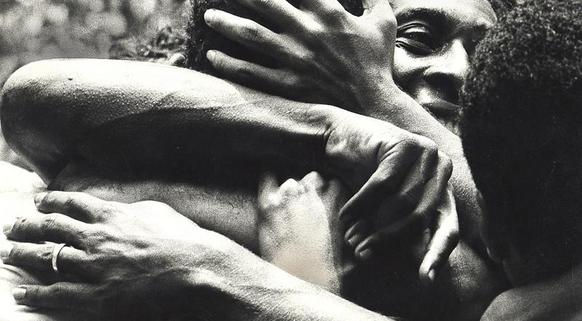
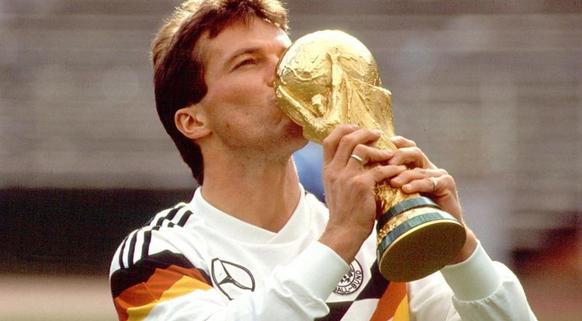
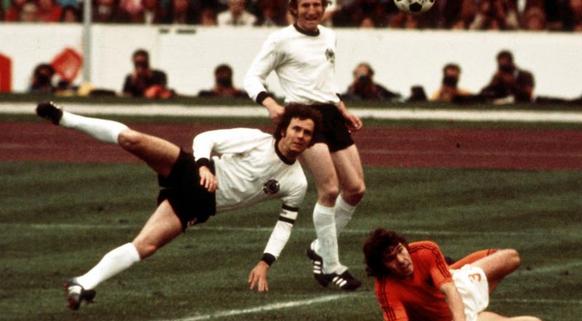
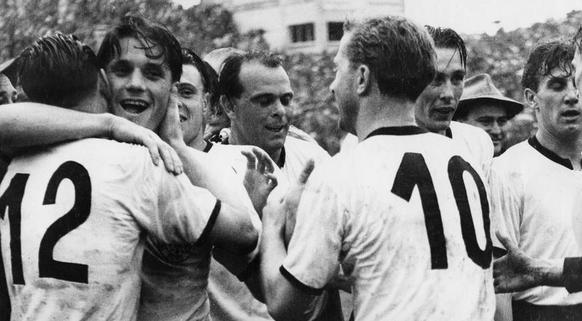
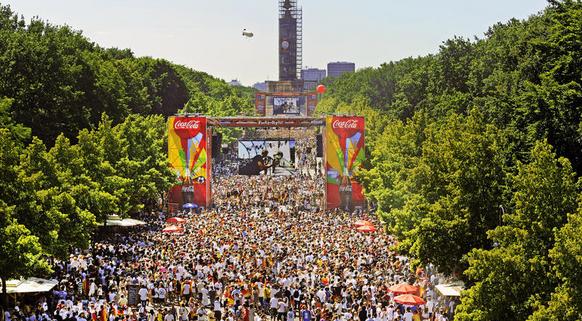
But still, the most popular sport of the Germans is and will always remain football. With the "Miracle of Bern" in 1954, the 1974 World Cup as the host country and winning the title in Italy in 1990, the West German football nation experienced unforgettable moments of glory with national heroes like to Fritz Walter, Franz Beckenbauer and Lothar Matthäus. However, many of the fans could not escape the genius and appeal of international legends like Pele or Diego Maradona. While the "Summer's Tale" of 2006 still was denied a happy end, the German national team again triumphed in Brazil 2014.

History
Shaped by the Concert of Europe in the Age of Imperialism and the resulting "Great War", shattered by the Second World War as a result of the dark chapter of National Socialism, characterized by the Cold War and the division of Germany – historical world constellations as well as people's living conditions have often and seriously changed in the turbulent 20th century.
Here you will find photo dossiers on the various historical phases and events of the past century in Germany and around the world. In addition to major politics, the focus is on changes in the "zeitgeist": people's everyday experiences in the individual decades, changes in culture and fashion, and progress in technology and science.