

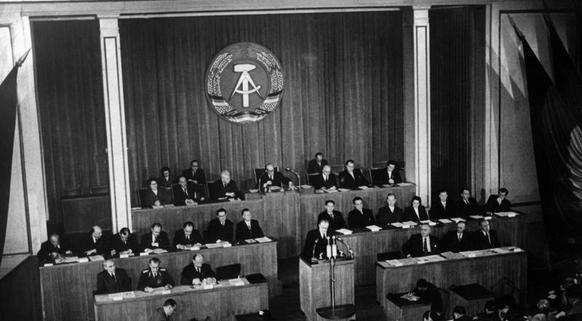
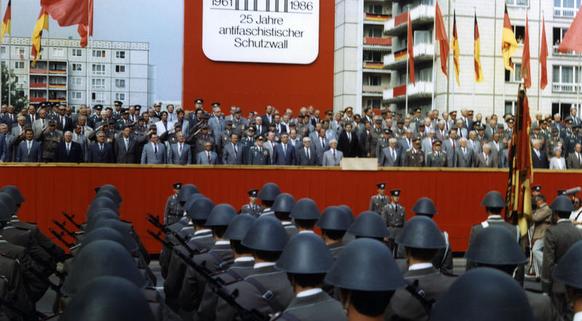
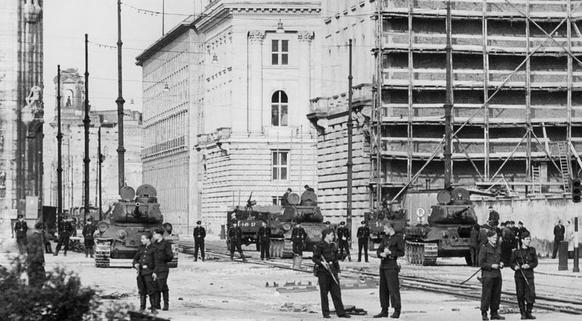
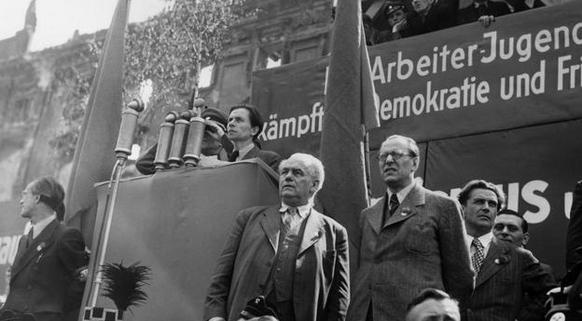
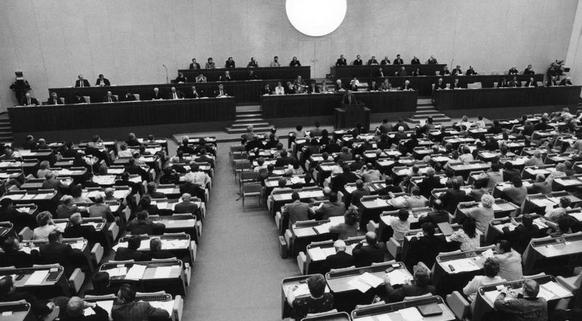
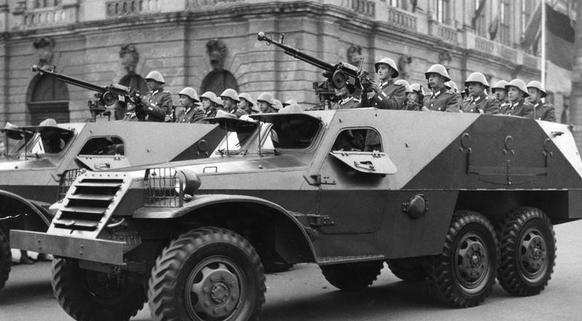
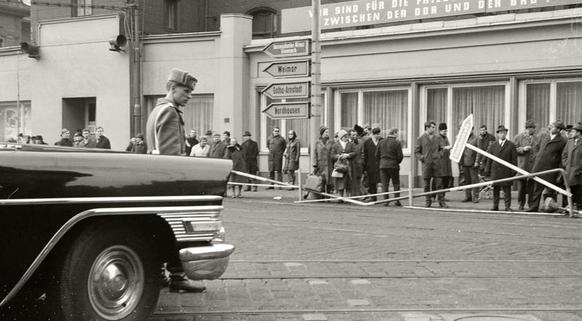
After its formation on October 7, 1949, the socialist GDR existed alongside the Federal Republic for 40 years as a second German state.
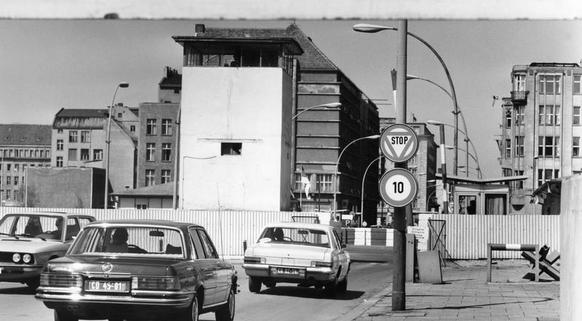
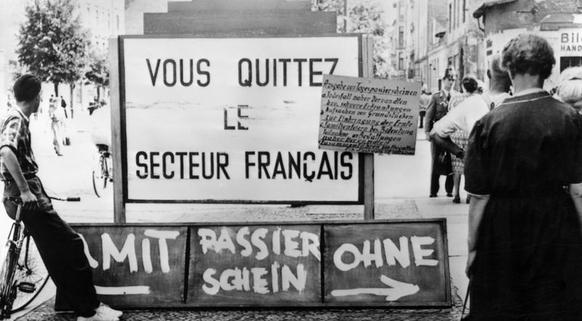
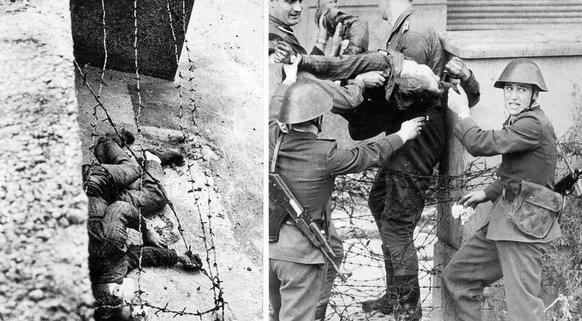
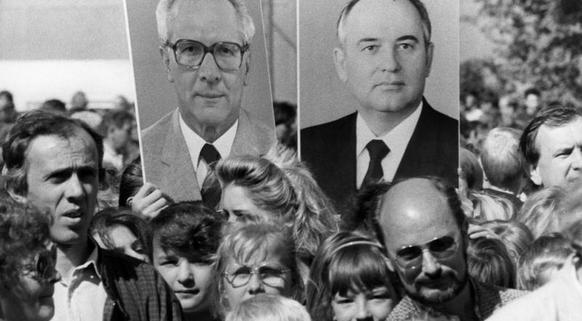
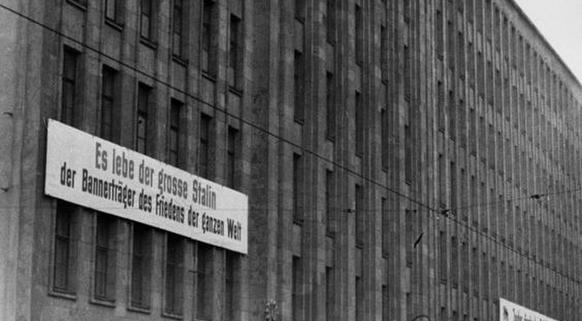
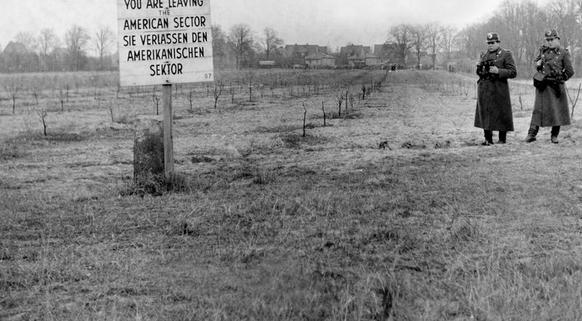
Large parts of private property were taken over by the dictatorial regime of the GDR, and the economy was nationalized and centrally planned. The SED controlled all areas of life in the eastern one-party state, from raising children, leisure activities to work and housing choices. Dissidents were monitored and persecuted by the infamous Ministry of State Security. The construction of the Berlin Wall in 1961 cemented the ideological and political division of Germany and Berlin.
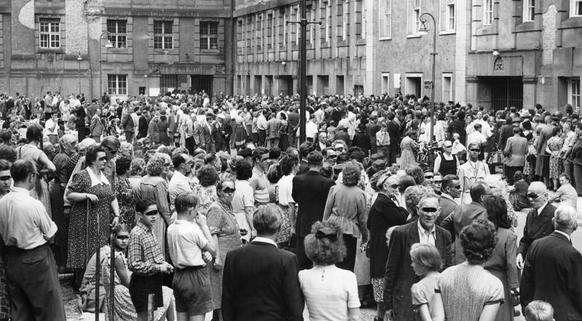
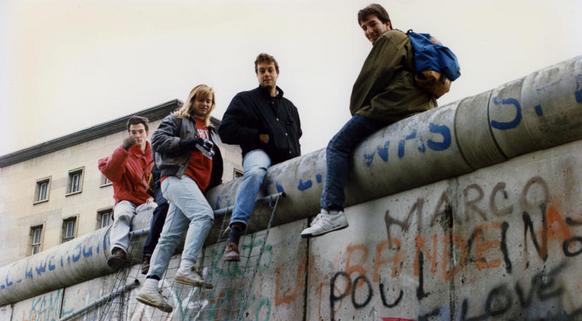
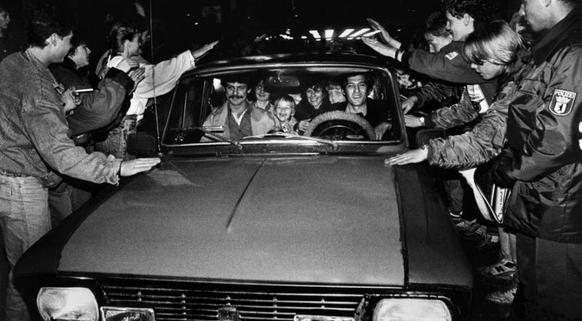
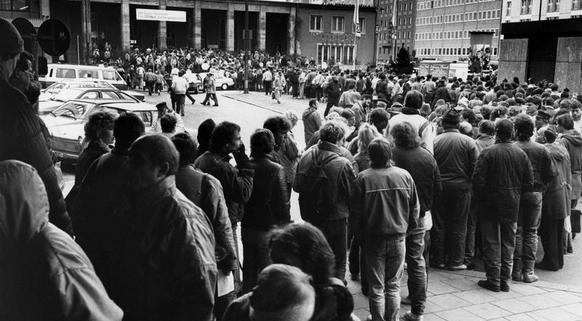
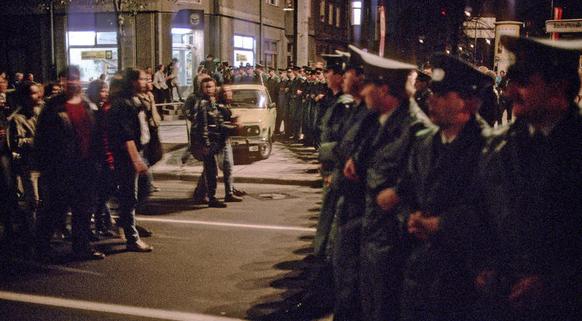
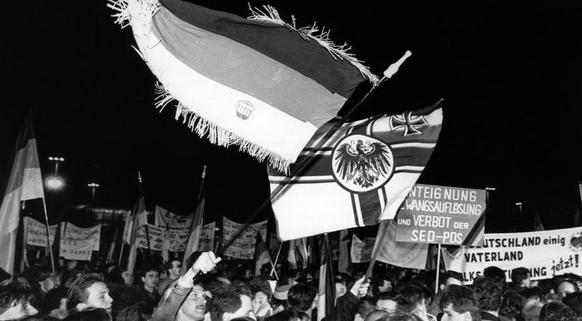
At no time, however, the permanently ailing state enjoyed the full support of the population. With their inefficient socialist economic system, the GDR slowly but surely headed towards bankruptcy, popular discontent culminated in a wave of refugees and the Monday demonstrations in 1989. Under growing public and international pressure the Berlin Wall fell on November 9, 1989. On October 3, 1990, the GDR finally joined the Federal Republic and Germany was reunited after 40 years of separation.



History
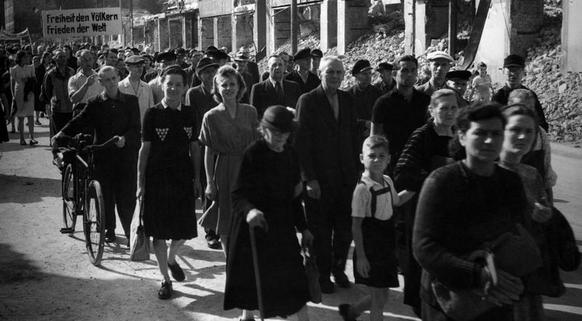
Shaped by the Concert of Europe in the Age of Imperialism and the resulting "Great War", shattered by the Second World War as a result of the dark chapter of National Socialism, characterized by the Cold War and the division of Germany – historical world constellations as well as people's living conditions have often and seriously changed in the turbulent 20th century.
Here you will find photo dossiers on the various historical phases and events of the past century in Germany and around the world. In addition to major politics, the focus is on changes in the "zeitgeist": people's everyday experiences in the individual decades, changes in culture and fashion, and progress in technology and science.